A lot of spending happens on autopilot. Paper towels go in the cart because they always do. The drive-thru happens because it’s on the way, until it’s one of the things people have stopped buying.
Frugal people didn’t stop enjoying things. They noticed which purchases kept costing them and found a cheaper swap that works about as well.
This list covers what to stop buying, room by room, with the swap for each. Then you’ll get a few rules that make impulse buys harder, a way to judge price by cost per use, and a plan for the money you stop spending.

Nine everyday things to stop buying
Start with the easy ones. Each has a swap that costs less over time.
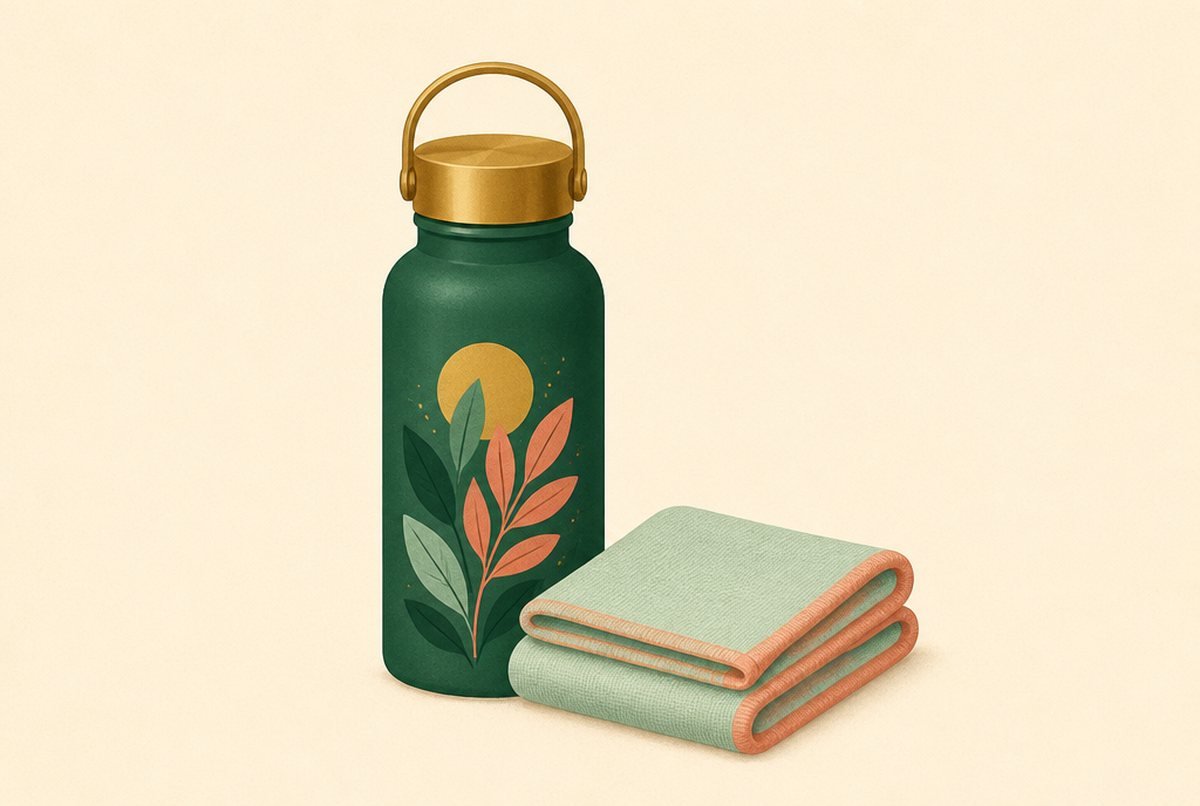
- Bottled water: use a refillable bottle and tap water.
- Paper towels: keep washable cloths for most spills.
- Drive-thru coffee: make coffee at home and keep the café as a treat.
- New books: borrow library books and ebooks.
- Single-use cleaners: one all-purpose cleaner handles most jobs.
- Movie rentals: borrow library DVDs and use the streaming you already have.
- Pre-cut produce: buy whole produce and chop it yourself.
- Trendy clothes: own fewer pieces that go together.
- Gift wrap: reuse gift bags, paper or fabric.
You don’t have to swap all nine. Pick the one you buy most often and start there.
Room by room: what to stop buying around the house
Walk through your home with this list. Before you replace anything, check what you already have.
Kitchen
- Plastic wrap: use containers with lids.
- Sandwich bags: use reusable containers.
- Pre-made spice mixes: combine your own from spices you own.
- Coffee pods: brew a pot or use a reusable pod.
Cleaning
- Disposable wipes: use rags cut from old shirts.
- A cleaner for every surface: use one or two that cover most jobs. Read the labels, and never mix cleaning products.
- Dryer sheets: try wool dryer balls.
Bathroom
- Travel-size toiletries: refill small bottles from full-size ones.
- Cotton rounds: try washable pads.
- Extra products before the last one runs out: finish what you have first.
Entertainment
- Books and movies you’ll use once: borrow them.
- Magazines: many libraries offer them free.
- Games for one party: borrow or swap with friends.
Everyday habits
- Extended warranties on small electronics.
- Duplicates of things you already own.
- Anything bought just to hit free shipping.
Look at cost per use, not the price tag
Stopping a purchase isn’t always the frugal move. Sometimes the cheap option is the one that keeps costing you. Divide the price by the number of uses and you’ll see what something really costs.
Stopped buying (keeps costing you):
- Cheap shoes replaced every few months.
- Disposable razors bought constantly.
- Takeout on busy weeknights.
- Single-serve snack packs.
- Fast fashion for one event.
Buy this instead (pays you back):
- One well-made pair of shoes you can repair.
- A reusable razor with cheaper refills.
- A few freezer meals for busy nights.
- A big bag of snacks split into your own containers.
- A borrowed or rented outfit.
Seven rules that make impulse buys harder
Wanting something is normal. These rules just put a little space between the want and the checkout button.
- Use a 48-hour rule. Put wants in your cart and walk away. The urge often fades within two days.
- Unfollow shopping accounts. Fewer ads and haul videos in your feed means fewer things you suddenly want.
- Shop your home first. Check closets and cabinets before you buy. You may already own it.
- Price it in work hours. Divide the price by your hourly pay. Decide if it’s worth that much of your time.
- Keep a wish list. Write wants down with the date. Buy only what you still want a month later.
- Leave the cart at home. Grab a basket for quick trips. Less room means fewer extras.
- Use one-in, one-out. Before something new comes home, choose something to sell or donate.
Give the freed-up money a job
Here’s the part people skip. If you stop buying things but don’t move the money anywhere, it usually gets spent on something else.
To find your number, look at last month’s bank and card statements. Add up what you spent on the things you’ve now stopped buying. That total, not a guess, is your freed-up money.
So decide ahead of time where it goes. One simple split for money you free up each month:
- Emergency fund, 40%: a separate savings account until you have a starter cushion.
- Debt payoff, 30%: an extra payment on your smallest balance (the debt snowball) or your highest-interest balance (the debt avalanche).
- Sinking funds, 20%: car repairs, gifts, back-to-school and annual bills.
- Guilt-free fun, 10%: a small treat so frugal living stays sustainable.
Worked example: the numbers behind the rules
Splitting $200 a month
Say your swaps free up $200 a month. Using the split above:
- Emergency fund: 40% of $200 = $80
- Debt payoff: 30% of $200 = $60
- Sinking funds: 20% of $200 = $40
- Guilt-free fun: 10% of $200 = $20
That adds back up to $200. Over a year, the emergency fund share alone is $80 × 12 = $960.
Pricing a want in work hours
Say you take home $18 an hour after taxes and you want a $90 jacket. $90 ÷ $18 = 5 hours of work. Use your take-home pay, not your pay before taxes, since that’s the money you actually spend.
Five hours might be worth it. The point is to decide on purpose.
Cost per use
Here’s the math with sample prices. Say one pair of shoes costs $30 and lasts about 3 months, so you buy 4 pairs a year: $30 × 4 = $120 a year. A better pair costs $90 and lasts 2 years: $90 ÷ 2 = $45 a year.
In this example the $90 pair costs less per year. Use your own prices and how long things actually last for you.
Common mistakes
Throwing out what you have to “start fresh.” Use up the paper towels and plastic bags you already own, then swap. Tossing them is money you already spent.
Buying expensive swaps all at once. A drawer full of reusable products isn’t frugal if you bought them all in one weekend.
Treating the cheapest option as the frugal one. Check cost per use before you decide.
Not moving the money. Set up an automatic transfer for the amount you freed up, or it disappears into everyday spending.
Cutting every treat. That’s the fastest way to quit. Keep the 10% fun money.
FAQ
What should I stop buying first?
Whatever you buy most often. A small purchase you make several times a week can add up faster than you’d guess: $4 three times a week is $4 × 3 × 52 = $624 a year.
Is it cheaper to buy reusable items?
Often, but only if you use them. Divide the price by how many times you’ll realistically use it, and compare that to the disposable version.
How do I stop impulse buying online?
Delete saved payment info from shopping sites, unsubscribe from store emails, and use the 48-hour rule. Each extra step gives you a chance to change your mind.
What should I do with the money I save by buying less?
Give it a job right away. The sample split is 40% emergency fund, 30% debt payoff, 20% sinking funds and 10% fun. Adjust the percentages to your own situation.
Will buying less make life feel cheap?
It doesn’t have to. The goal is to stop spending on things you don’t care about so there’s room for the ones you do.
This is general education, not personal financial advice.